Bacon gold – the future of mayonnaise

“When you wake up in the morning, Pooh,” said Piglet at last, “what’s the first thing you say to yourself?”

“What’s for breakfast?” said Pooh. “What do you say, Piglet?”

“I say, I wonder what’s going to happen exciting today?” said Piglet.

Pooh nodded thoughtfully, “It’s the same thing,” he said.
Let’s pretend for a moment that Piglet is not made out of bacon and focus on the fact that breakfast, the very existence of breakfast, amounts to an exciting day.

This week it is all about the bacon. A love of bacon. That porky, salty, sometimes crispy, sometimes fatty, most perfect of all the meats. Bacon. Actually, it’s about bacon fat.

I’m not here to tell you how to cook bacon, I am going to tell you how not to cook it, then I’m going to tell you how not to waste the bacon gold. First, buy good bacon. Buy good bacon or don’t bother. If you’re buying pre-packaged bacon make sure you read the ingredients on the packet before putting it into your shopping cart. If “water” or “water added” appears anywhere on the packaging just put it down and walk away. This is not bacon, it is something else. I don’t know what it is, but it’s not bacon.

Second, don’t throw cold bacon into a screaming hot pan. Third, don’t throw cold bacon into a screaming hot pan to which you may have added any kind of fat – olive oil, canola oil, butter, whatever – you don’t need it.

Remove the bacon from the fridge about 10-15 minutes before you’re ready to cook it. Heat your good frying-pan to a moderate/high heat, add the bacon in a single layer (bacon that overlaps does not cook) and cook it slowly, rendering as much fat out of the bacon as possible – this may mean turning the heat down a bit. If you’re cooking lardons or bacon cubes the rendering process will take longer than if you’re cooking slices of bacon, but it is all worth the wait. I can’t tell you how long it will take, it really depends on how thick your bacon is, but it’s not quick (okay, so apparently I am going to tell you how to cook bacon).

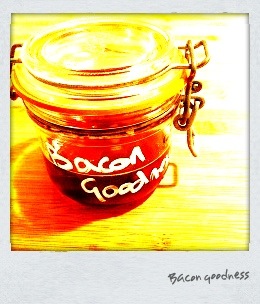
Five or six paragraphs in and I’m finally at the point of this post: bacon fat or, more accurately, liquid, edible, bacon gold. Soon after cooking, so before the fat has a chance to thicken or set, strain into a fridge-suitable container. I line my tea strainer with a bit of cheese cloth and strain the fat into a clean glass jar – this leaves you with a rich, golden, bit-free liquid. Label it and refrigerate until you’re ready to make one of the following…
  • bacon mayo
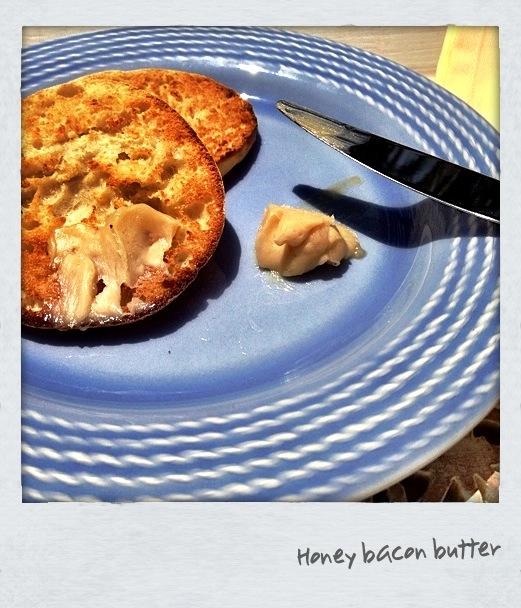
  • whipped bacon honey butter (oh yes, that is a thing and it is awesome)
  • bacon caramel popcorn or just bacon popcorn or bacon chilli popcorn
  • Just about any veggies – collard greens, savoy cabbage, kale (or any greens really) cooked low and slow,
  • asparagus or brussels sprouts simply blanched then sautéed in bacon fat
  • wedges of hispi cabbage brushed in smokey bacon fat at grilled on the BBQ
  • roast potatoes
  • confit tomatoes
  • sautéed apples or pears for roast pork
  • serve it as a starter, warm and runny with some good bread for dipping
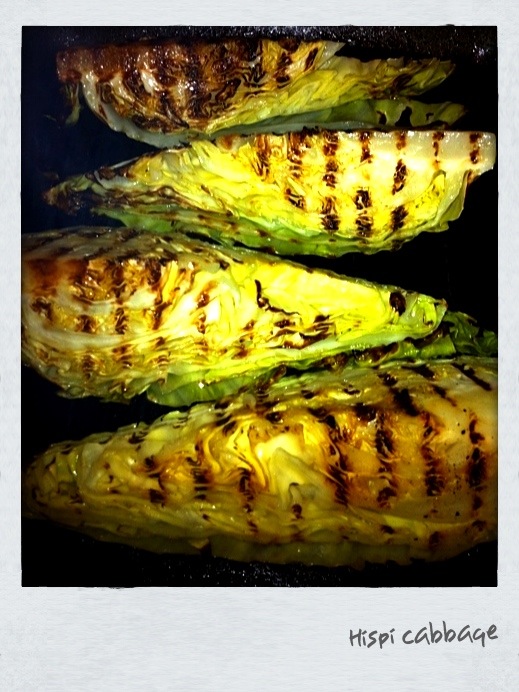
Really, the possibilities are endless, however I’m not going to bore you with the endless possibilities in this post. Today I’m just going to do the bacon mayo and in future posts I’ll show you some of the others if you’re interested. If there’s anything on this list you’re really eager to try and would like a recipe for, please get in touch and I’ll be happy to send it to you.

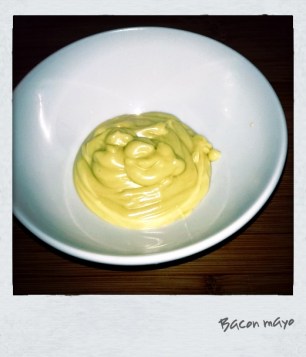
Okay, bacon mayonnaise. The future of mayonnaise. I don’t know why it’s not all bacon mayo all the time. Seriously, this stuff is awesome… on a burger, on a BLT, as part of a salad dressing (not for any kind of healthy salad, of course), on a fish-finger sandwich… a couple of nights ago we had seared, lightly seasoned mahi mahi with a dollop of bacon mayo – delicious!

  • 125 ml strained, liquid bacon fat (if it has come straight out of the fridge pop the jar into some warm water to melt the fat – it must be room temperature)
  • 125 ml oil – I wouldn’t use olive oil for this as it can be very strong. Grape seed is a good option but canola, veg or sunflower will also work
  • 3 medium egg yolks – from the best, free range, organic eggs you can find
  • juice of 1/2 a lemon
  • salt to taste – you may not need this as the bacon fat is sometimes salty enough
  • cayenne pepper, freshly cracked black pepper, chilli flakes – these are an optional garnishes, choose something that matches your dish or leave them out altogether.
  • Cold water – this is not always necessary but if your mayo looks too thick add a bit of water a teaspoon at a time.

In a blender or with a whisk, beat your egg yolks well – a blender is quick and easy to use but after making mayonnaise the old fashioned way you really feel like you’ve earned it. With the blender motor running or with your whisk arm working as fast as it can go, slowly start adding your oil a little at a time. When you’ve added all the oil, do the same with the bacon fat. Once the egg, oil and bacon fat have formed a thick emulsion add the lemon juice and salt if required. Keep the water handy in case you need to thin out the mayonnaise.

If you do none of these things, if you never save your bacon fat, never use it to make popcorn or let its silken goodness drip into the crevasses of a toasted English muffin, never coat potatoes before roasting or BBQ hispi cabbage wedges coated in bacon fat, if none of these things appeals to you, that’s okay. I ask that you just do this one thing – please don’t tip your bacon fat, or any fat, down the sink.

If you think you deserve a treat: So, you’re on your way home and you’ve had a really hard day – I don’t mean a ‘meh’ day, a so-so day, I mean a hard day – stop and buy a good, crusty loaf of bread. When you get home, and preferably when no one is around to witness this heart stopping (literally, heart stopping) act, rip a chunk of bread off your new loaf, dip a clean knife into your jar of saved bacon fat and smear it onto a piece of fresh bread, add a sprinkle of Maldon salt, close your eyes and enjoy.

If you think you deserve a treat and you’re in Brooklyn, New York: Even if you’re not in Brooklyn, if you’re somewhere else and you think you deserve a treat, go to Brooklyn. For the handsome sum of $4, Fatty Cue in Brooklyn will serve you a dish called Dragon Pullman Toast with a side of master fat. Dragon Pullman toast, I think so named for the Chinatown Bakery that provides the bread, is just thick slices of slightly sweet toasted bread. The master fat is, I think, the expertly strained fat left after smoking and roasting endless pork shoulders and pork bellies. Put it on your list.

WARNING – while all of the above dishes are good for the soul, none of them are good for the body. Please exercise moderation.
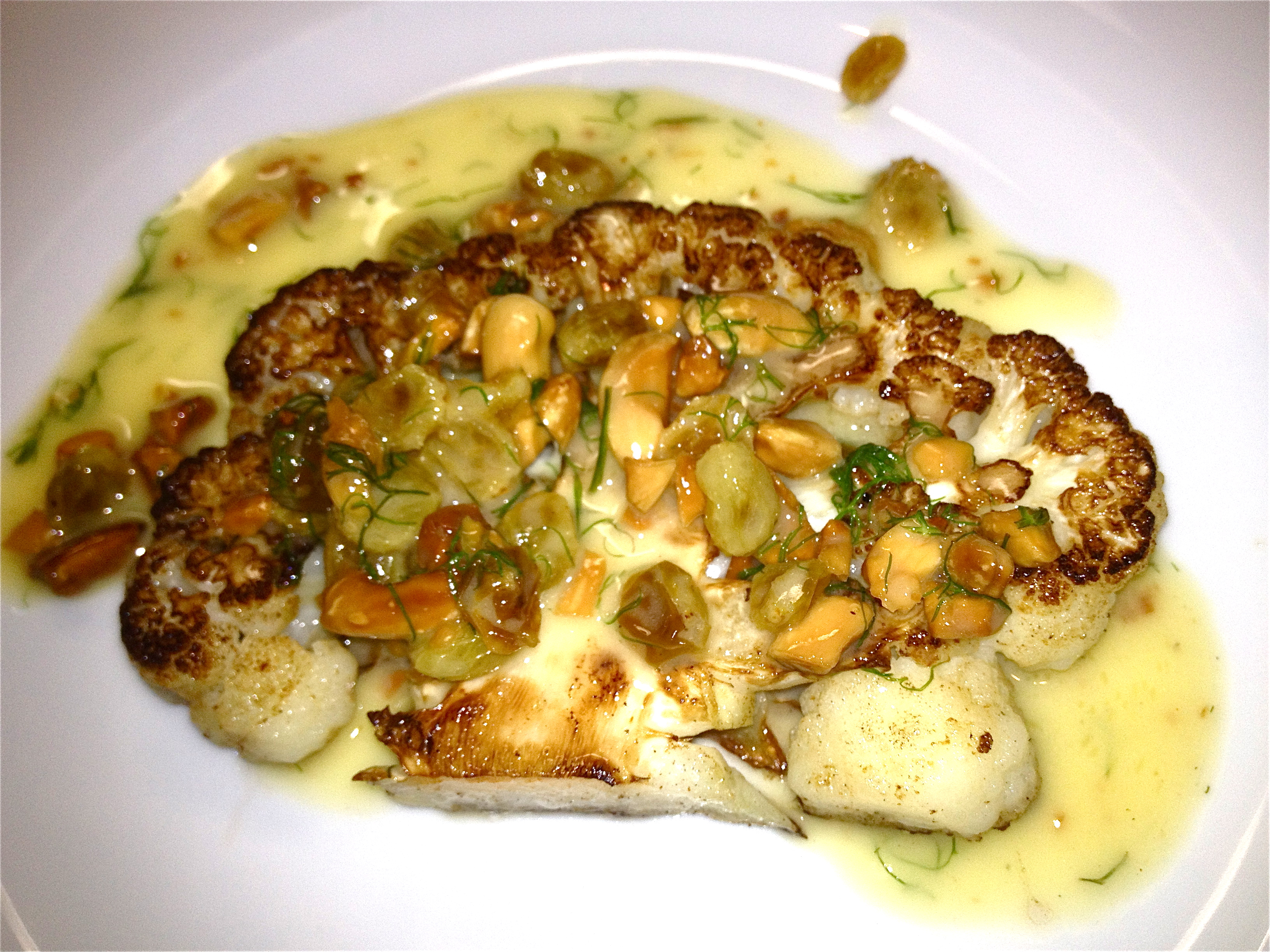
It’s cauliflower, but not as we know it – seared cauliflower “steaks” with almond and sultana butter

Cauliflower cheese, you say? Bored, bored, bored*! I know it’s an old favorite and on a chilly Sunday afternoon with a roast dinner, maybe it has a place.

However, on a balmy evening in Miami, with a 24 oz, grass-fed, naturally-raised beef porterhouse sizzling on the grill we have no business with the often overcooked cauli. Its sometimes floury sauce and its fat-oozing cheese do not belong on our dinner plates. With a bit of special treatment though, the humble, pale cauliflower can come into its own.

Some years ago Ian Leckie, head chef at Sam’s Brasserie did something very similar with roast cauliflower as an accompaniment to sea bass and last year I had an appetizer at a Miami local that was similar to what I’m going to show you here. So it’s not a totally new idea, but hopefully it is new to you.

Feeds four as an appetizer or more as a side dish

  • 1 whole head of cauliflower, washed
  • 1 small handful of raisins or sultanas, soaked in a little warm water for about 1/2 an hour and then drained (I like the colour-match of the sultanas in this dish so that’s what I used but remember they are sweeter than raisins).
  • 1 small handful of whole, blanched almonds. If you’ve had almonds sitting in your pantry for months, please taste them before using them. Nuts go rancid, especially in warm store cupboards.
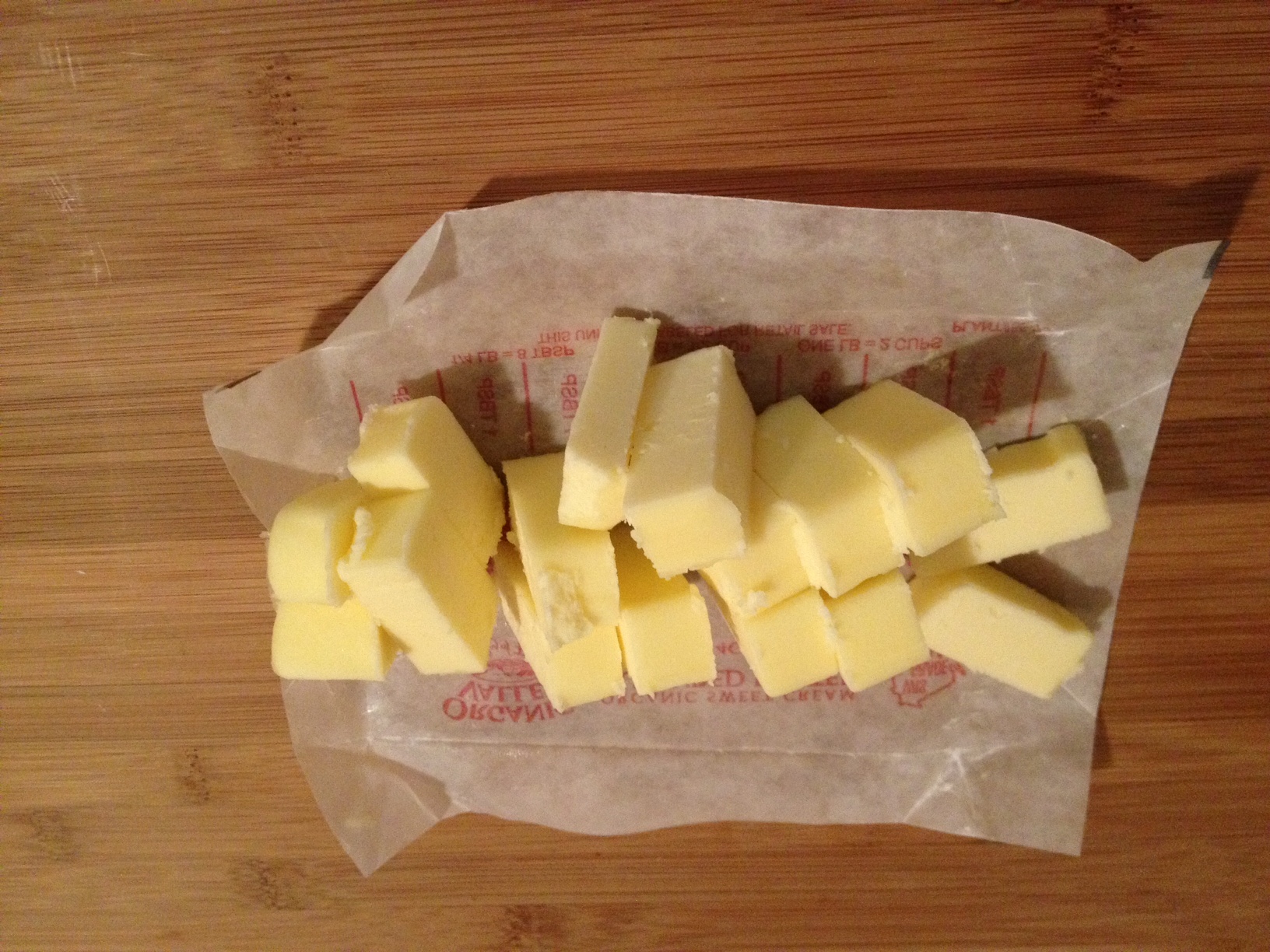
  • 175g unsalted butter, fridge cold and cubed (you can use salted, just allow for it when you season later)
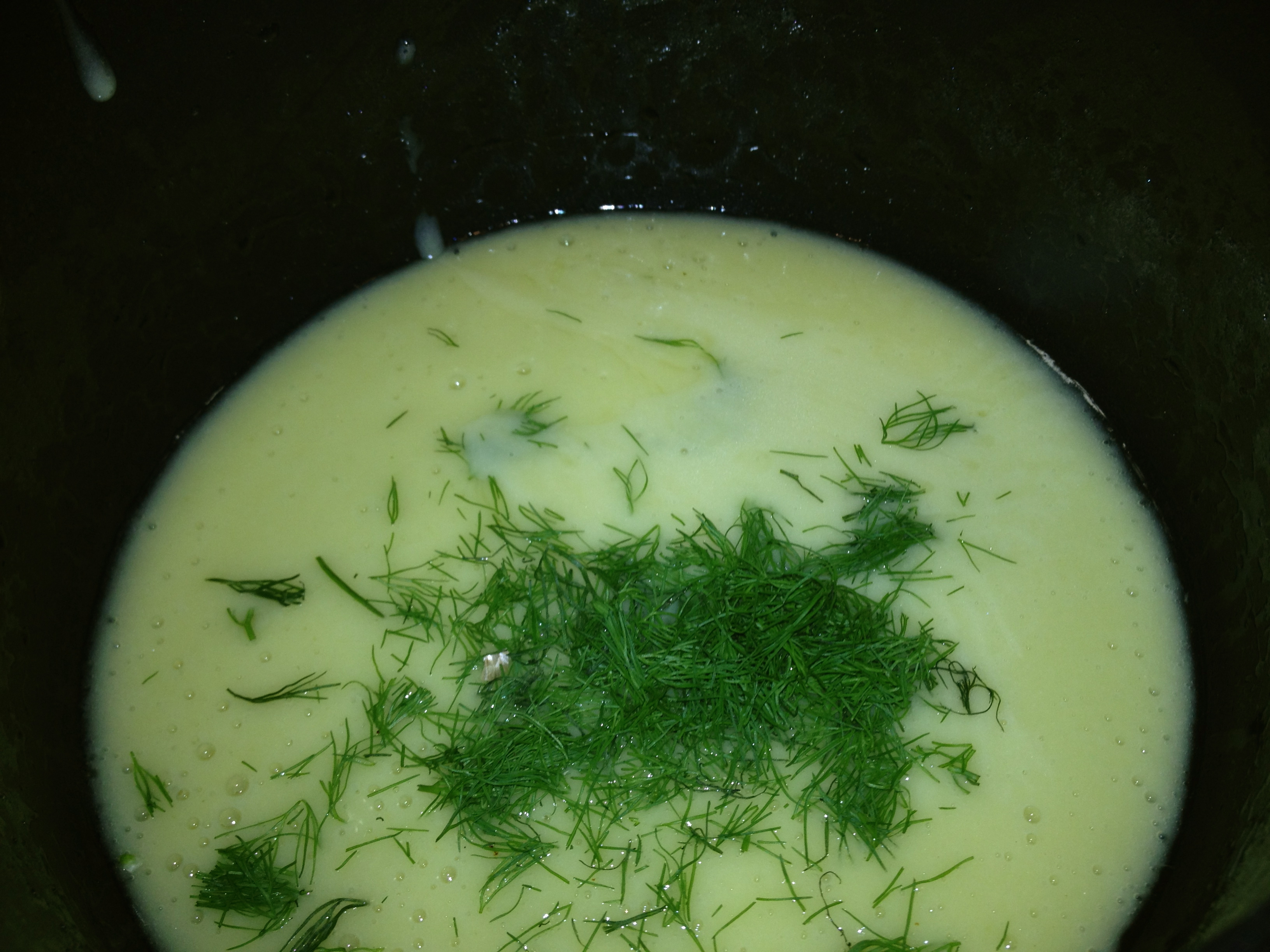
  • 2 tablespoons chopped dill or fennel tops (I don’t like dill so never use it and happened to have a fennel bulb in the fridge from which I was able to scavenge the delicate, fragrant fronds)
  • salt and freshly ground white pepper (you can, of course, use black but I don’t like the black specks in my beautiful, shiny yellow sauce)

Cubed butter

Wine reduction

  • 1 cup of dry white wine
  • 2 thick slices of onion
  • 1 bay leaf
  • 3 or 4 black peppercorns
  • pinch of salt

Wine reduction: you need this for your butter emulsion. Put all the ingredients into a small saucepan, bring to the boil and reduce until you have about two table spoons of liquid. Remove or strain out all the bits, reserve the liquid and set aside until you need it.

Almonds: toast in a preheated oven at 180 c for ten minutes, more or less. Keep a close eye on them, you want them brown but not burnt. Let them cool and then crack using a pestle and mortar or chop them up with a sharp knife – not too finely though.

Cauliflower: While the almonds are toasting you can prepare the cauliflower. Cut a little off the base of the cauliflower to give it a flat side that you can stand it on. Using the longest knife you’ve got, slice the cauliflower into “steaks” – I like them about 1.5 to 2 cm thick but whatever suits you is fine. Remember though that if the slices are too thin the florets may break off.

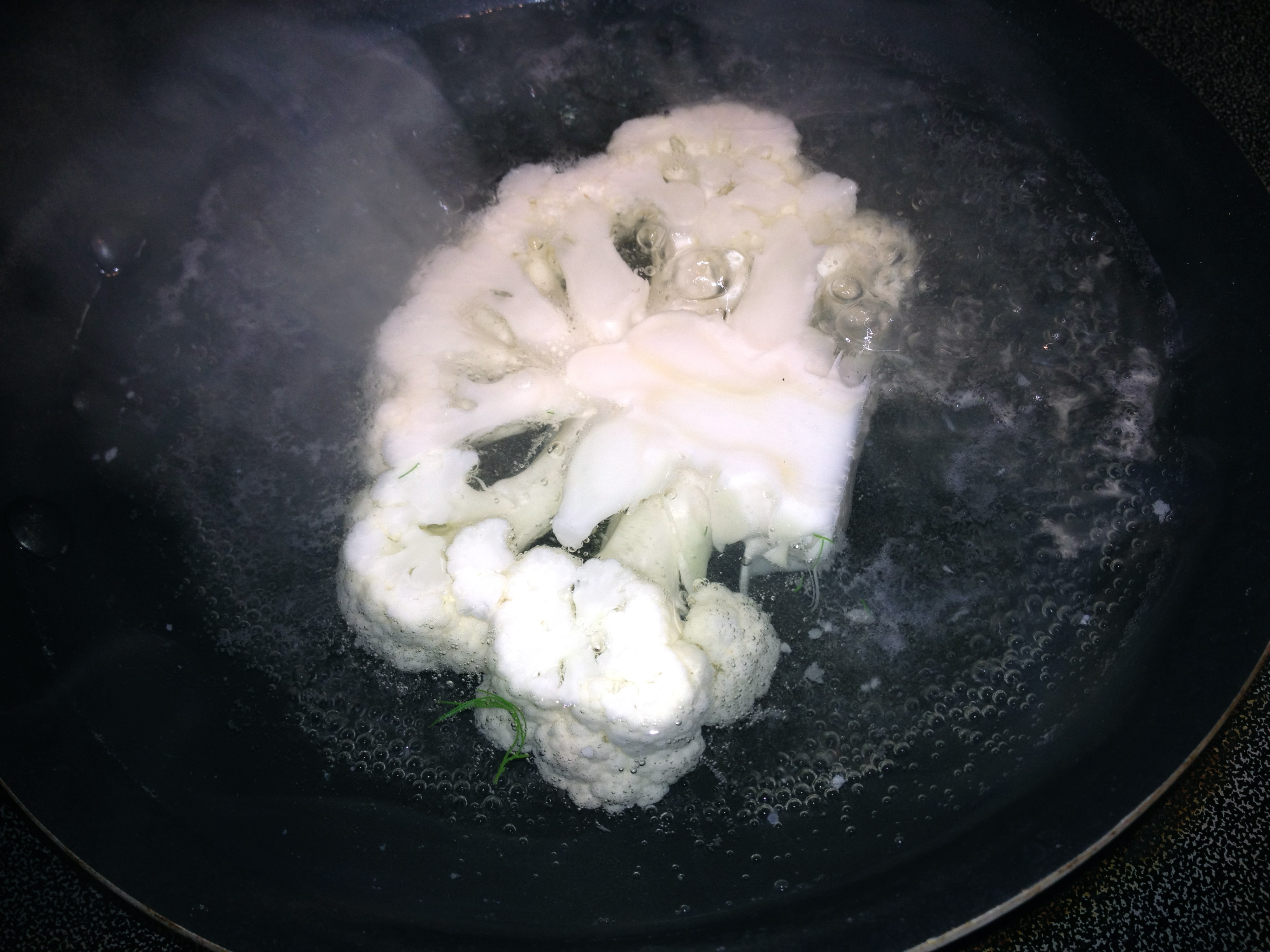
In a shallow pan, bring enough salted water to the boil to cover the cauliflower slices  – it’s hard to find a pan that will hold four slices of cauliflower so do this in batches, it only takes a few minutes. Blanch each slice just long enough to ensure you no longer have raw cauliflower. You still want it quite firm. Drain and set aside. Tip the water out of your pan, give it a wipe down, toss in one or two of your cubes of butter and return the pan to the heat.

BlancheBlanche

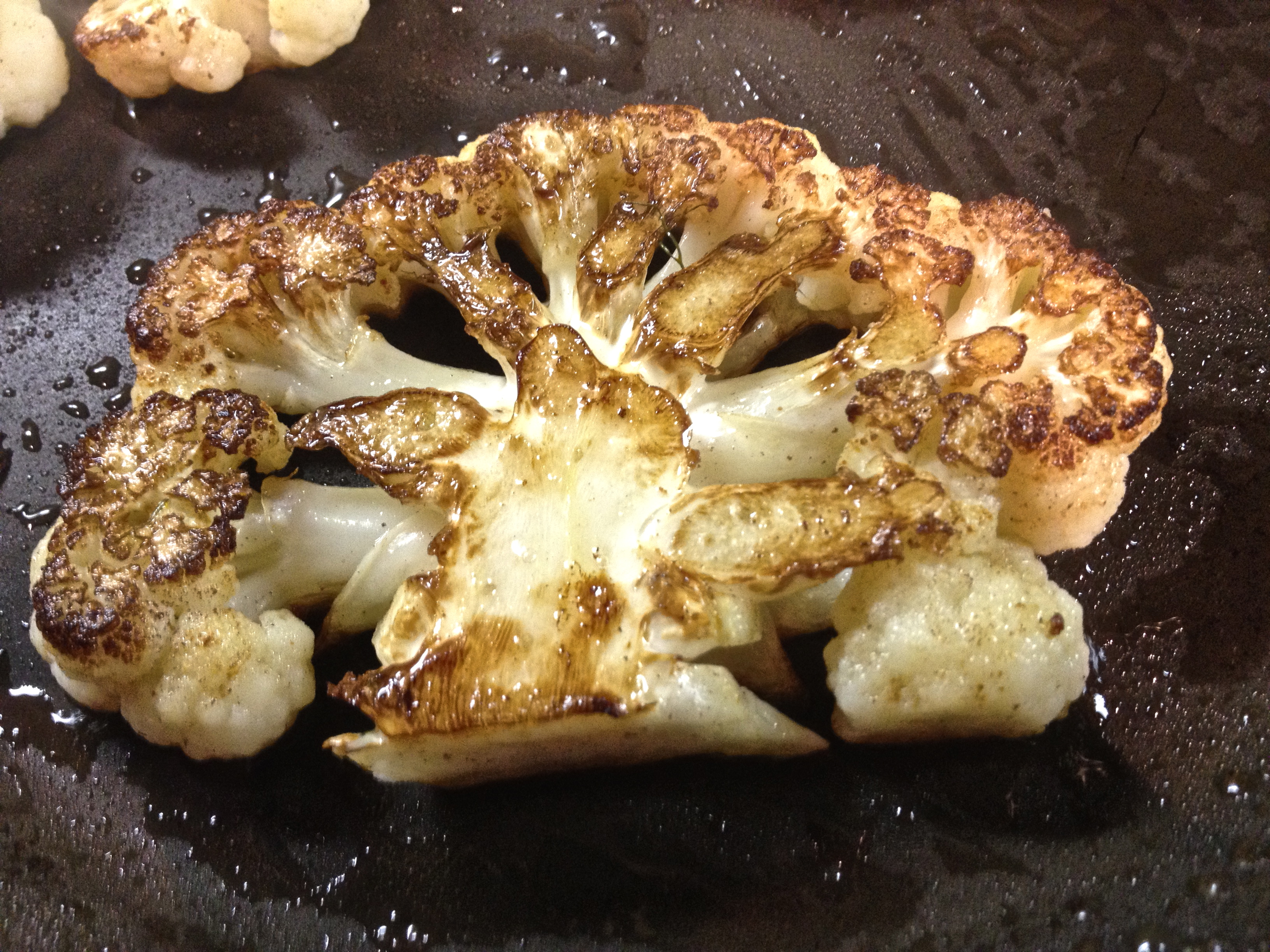
Once the butter has melted and started to foam, swirl it around the pan to cover the base, return the cauliflower to the pan, reduce heat to medium and sauté each side until you have a good caramelization over the cauliflower.

SautéSauté

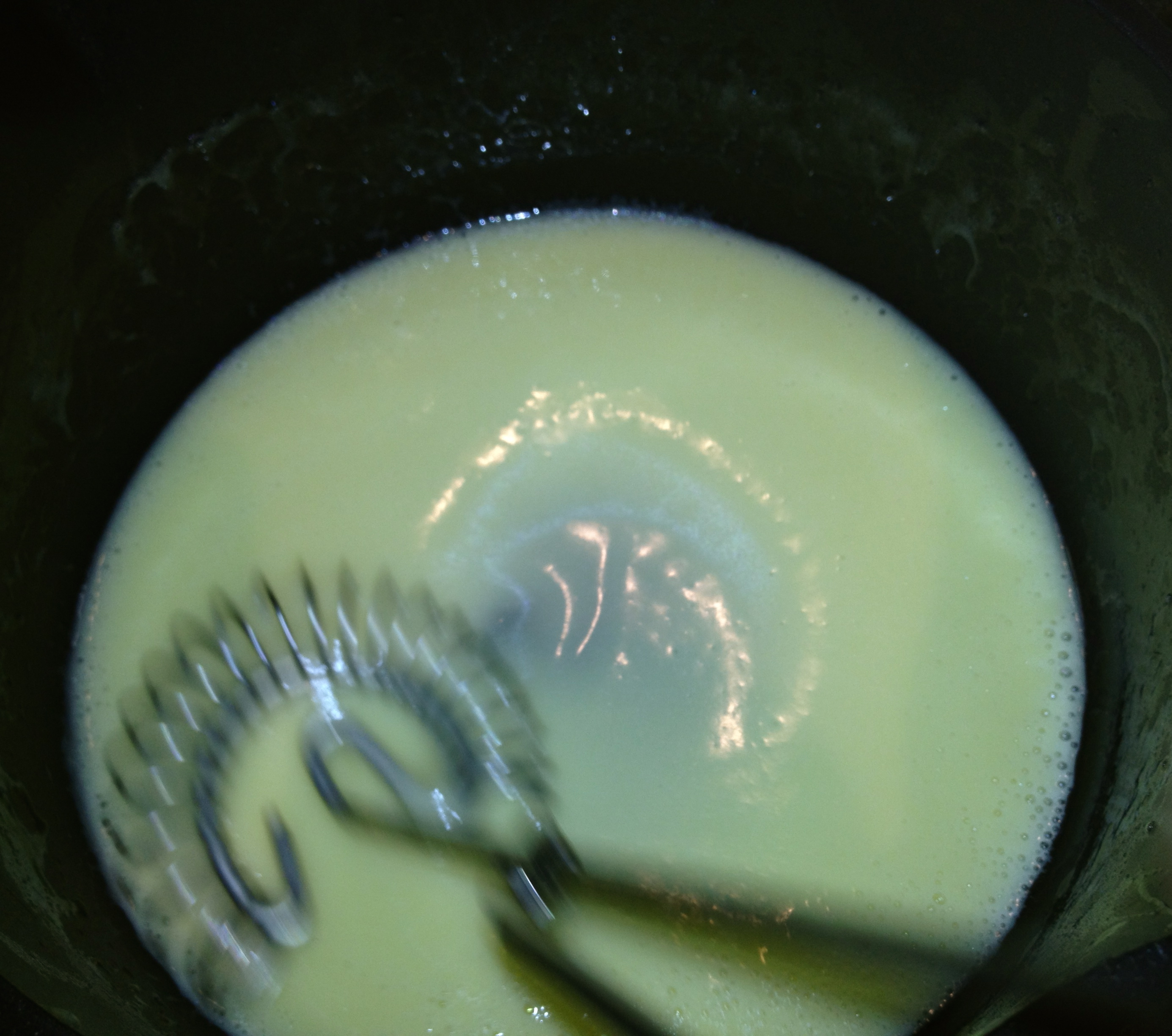
Butter sauce: While the cauliflower is browning in the sauté pan you can prepare the butter emulsion. Emulsions can be a bit precious and tend to split if not treated with love so go slowly, use very very cold butter and keep whisking.

Put your reserved wine reduction into a small saucepan and place over a high heat. It will only take a few seconds for the reduction to heat up and when it has, reduce the stove temp and start adding your butter, one cube at a time, whisking all the time. Don’t add more butter until the cube in the pan has completely melted. You may need to remove the pan from the heat from time to time, you don’t want this to boil.

Adding butter

Keep a jug of boiling water nearby and if you see your emulsion starting to split, add a few drops (and I do mean a few drops – like a teaspoon full) of boiling water and keep whisking, it will come together again. Once all your butter is incorporated, stir in your fennel fronds or dill and remove from the heat.

Thicker

Fennel fronds

Add the roughly chopped almonds and the drained sultanas to the butter sauce and season with salt and white pepper. Put the cauliflower slices on a serving plate/plates and spoon over the sauce.

Notes: 

Cauliflower “steaks”  – great for presentation but can be finicky to prepare and is not really necessary. The same awesome flavor is achieved by simply breaking the cauliflower into florets, blanching them and sautéing them.

Butter emulsion – regardless of the quantity of sauce you are making, you will not need more than two tablespoons of the wine reduction. If you prefer not to use wine, the same effect can be achieved (with obvious flavor differences) by using a wine vinegar reduction or simply using water.

This type of butter sauce is a good one to have in your repertoire – it does not contain egg, is quick to prepare, can be flavored with just about any herb and can be used on any number of dishes – grilled/steamed/poached fish, as a dipper for asparagus, as a garnish on other veggies.   

* Apologies to any cauliflower cheese I may have offended with my cries of boredom, it is in fact, still one of my favorites.

For Mary. Scallop and shrimp ceviche

This morning someone asked me for a ceviche recipe… it reminded me of an experience I had a few years ago with a less-than-charming head chef who, for the purposes of this little anecdote, I’ll refer to simply as “R” – it is less wordy and so much more polite than the names I used to call him in my head.

Me: R, may I please have your osso bucco recipe?
R: Well, SHELLEY, (yes, in the conversation he did in fact snarlingly bold, cap and italicize my name), if you knew anything at all about cooking you would know that it is a method and not a recipe. So no. You may not.
Me: Oh.
R: *Snarl*
Me: *Goes to the computer, looks up recipe on recipe database in folder called “recipes”. Prints recipe. Goes home and prepares osso bucco.*

R was snarly but he made a good osso bucco with close-to-perfect risotto Milanese and he gave me my first taste of ceviche.

So back to the point of the post. Ceviche.

There are so many interesting and clever ceviche recipes around. Recipes that include coconut milk or coconut water, passion fruit, mango – I suppose anything that is evocative of a day in a tropical paradise (although in Ecuador they apparently add ketchup, which doesn’t scream “tropical paradise” to me, but you know what I mean). Whatever the recipe, the basic principle is always the same – fish or seafood is marinated or “cooked” in citrus juice. The preparation is similar to that of an escabeche, both require some kind of acid to “cook” the fish, the biggest difference being that an escabeche is prepared using vinegar, not citrus juice.

This is my default ceviche recipe – it is embarrassingly simple and never fails to impress. And while I would love to claim the recipe as my own, the Incas probably deserve credit for the method…

This serves four as a starter. I made it on Saturday night using scallops and prawns (Florida shrimp) but the recipe is good for any fish, really. I prefer something firm like halibut, yellow tail, Chilean sea bass – be guided by what is freshest on the day.

Ingredients
  • 4 large scallops
  • 8 Florida shrimp, cleaned and deveined
  • 1/4 red onion – sliced as finely as you can get it. I used a mandolin.
  • 2 medium red chillis – finely sliced. As many as you think you need to achieve the level of spicy you enjoy
  • Juice of fresh limes – enough to cover your fish. I needed 4 1/2 limes for this recipe but obviously that changes depending on how juicy your limes are.
  • 1 medium avo, perfectly ripe
  • Tbl spoon fresh coriander, coarsely chopped
  • Generous pinch of sea salt

Add your sliced chillis, onion and sea salt to the fresh juice in a glass or plastic container – nothing reactive. Prepare the seafood. Each scallop should yield eight pieces by slicing down the centre (as you would a bagle), this will give you two discs of equal thickness, and then cutting each disc into quarters. If you are using a fillet of fish, cut into pieces of equal size and thickness, around one and a half cm by one and a half cm. Slice the prawns lengthways down the centre and then cut into two or three pieces (depending on the size of your prawns).

Put all your fish/seafood into the lime juice and make sure it is all completely submerged – I like to cover it with cling film with the film actually pressed down onto the surface of the liquid to keep air out and to keep the fish covered by juice. Leave in the fridge to “cook” for no less than an hour. It is ready when the fish and seafood have turned opaque and the prawns have developed the same light pink colouring as when cooked using heat – this happens because the citrus affects the protein chain in the same way as heat does (it’s a bit more complicated than that but only interesting if you’re interested in it so I won’t bore you with the details – if you’re interested, Google it).

When you’re ready to serve, carefully remove the fish from the juice (save the juice) with a slotted spoon and place into a clean prep bowl if you’re serving the dish plated or a serving bowl if it’s a help-yourself scenario (plating is better as you are able to ensure everyone gets equal amounts of all the good stuff). Cut the avo into cubes equal in size to that of your fish and gently stir the avo and the coriander through the fish mixture. Plate-up, drizzle each portion with about a table spoon of the reserved lime marinade and serve.

Ingredient notes

Fish – as with sashimi, you have to use fresh fish of excellent quality. That is all. You have to. While the acid in the citrus fruit juice alters the proteins in the fish enough to make it look and taste “cooked” it is not able to kill bacteria as efficiently as heat will and so it must be of the best possible standard before you start.

Freshly squeezed lime juice (or whatever citrus juice you’re using) – Freshly squeezed. Freshly squeezed. Freshly squeezed. Not from a bottle. Not from concentrate. Not squeezed yesterday. Freshly squeezed.

Chilli – I like the heat of birds’ eye chillis and the appearance of red chillis but really any fresh chilli will do – red or green serranos or jalapenos are probably more traditional. Habaneros will also work.

Prawns/shrimp – in England, South Africa and America the words “prawns” and “shrimp” mean different things. They all refer to bottom-feeding exoskeletons with eyes that look like black lentils but the size varies. What you want is something meaty and that you can slice to about a 1.5 cm by 1cm piece – don’t buy tiger giant or big LMs, I know they are delicious, but they’re more delicious left whole and tossed on a BBQ.

Avocado – this is not an essential ingredient but I like the contrast of the creamy avo to the firm fish. If your avo is not perfectly ripe, soft and buttery, don’t bother with it.

Red onion – swap for a banana shallot if you like.

I’m sorry I have no photos – we had this one night over the weekend but as I was not expecting the request I, once again, failed to take out my camera. When will I learn?